Market intelligence · daily brief
The US picks talks over robotics tariffs, Kroger moves to buy direct, and a strike threat hangs over the ports of LA and Long Beach
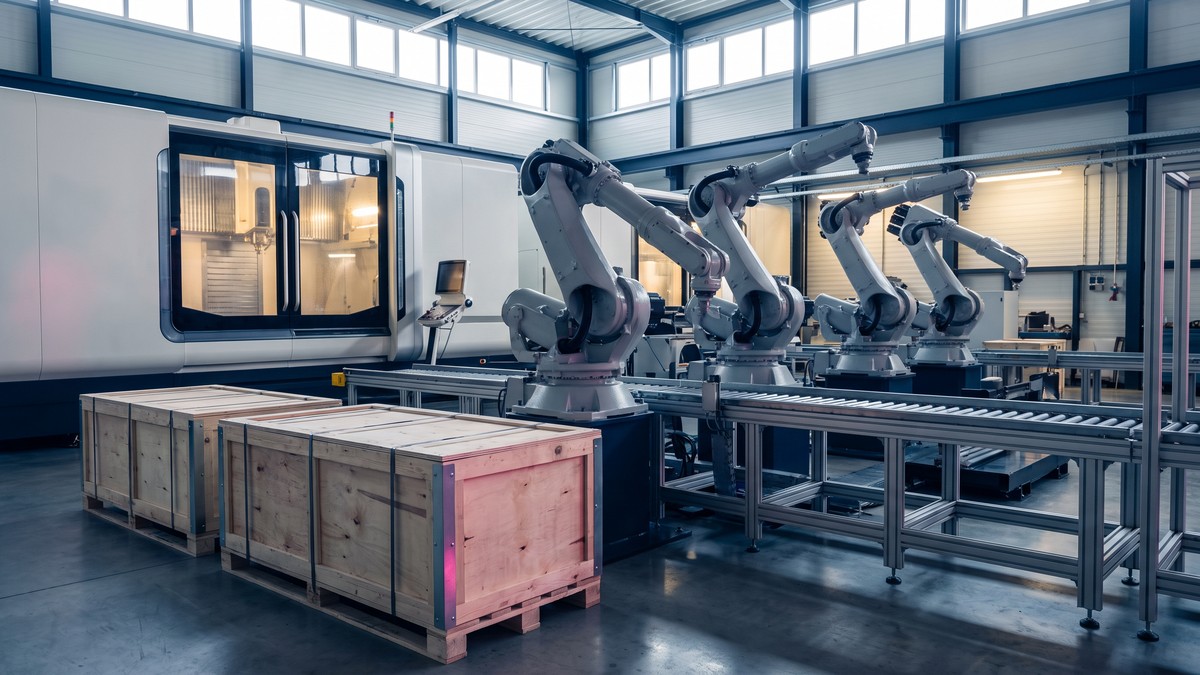
Washington chose negotiations over new tariffs for imported robots and factory machinery, Kroger said it wants to buy far more of its goods straight from the people who make or grow them, and security watchmen at the Los Angeles and Long Beach ports voted to authorize a strike while rail backlogs build.
The US picks trade talks over tariffs for robotics and industrial machinery
President Donald Trump has told his commerce secretary and trade representative to negotiate with trading partners over imports of robots, industrial machinery and their parts, rather than impose new duties, Supply Chain Dive reports. Under the Oct. 28 order, the two officials must report on the talks within 180 days.
The proclamation cites Commerce Department findings that the United States depends on imports for most kinds of robots and industrial machines and for their parts, and that equipment from certain foreign entities can open serious cybersecurity gaps. Depending on how the talks go, the president may still turn to tariffs, duties, quotas or fees later, or to a program that encourages new US production.
Supply Chain Dive counts this as the third time in three months that a Section 232 probe has led to negotiations instead of immediate tariffs, after a similar order on wind turbines earlier this month and one on commercial aircraft and jet engines in July. Earlier Section 232 actions did impose tariffs, on goods from cars and auto parts to drones and polysilicon.
Why it matters: Buyers of robots, machine tools and automation spares face no new duty today, but the order leaves one on the table if talks stall. Teams planning equipment purchases over the next six months can ask suppliers where machines and their main parts are made, how a later national-security duty would be priced into the quote, and which party carries it if delivery slips.
Kroger aims to buy more than 10% of its goods straight from producers
Kroger wants direct purchases from producers to cover more than 10% of what it buys, against less than 1% now, chief financial officer David Kennerley told the grocer's Oct. 20 investor day, according to Supply Chain Dive. The company is setting up sourcing hubs in South America and Asia, aiming over time to own its import and distribution operations outright.
About 40% of its grapes for the November 2026 season came straight from growers in Peru, Kennerley said, and Kroger is working on citrus, shrimp and frozen vegetables as well. "Previously, we would have paid margin to a third party to sit between us and the grower," he said. The grocer is also giving its buyers better data on volume, demand, supplier performance and alternatives, while working with suppliers to hold prices.
Why it matters: Removing an intermediary moves work in-house: supplier vetting, import paperwork, quality checks and payment terms that a distributor used to handle. A team weighing the same step for one category can set the margin it would save against the people, freight and risk it would take on, and start where the supply base is small and well known.
Watchmen at LA and Long Beach vote to authorize a strike as rail backlogs grow
About 250 watchmen who guard terminals at Los Angeles and Long Beach have voted to authorize a strike that could start at 5 p.m. Pacific time on Nov. 1, SupplyChainBrain reports, citing The Long Beach Post. They belong to ILWU Local 26, about 2% of the union's workforce, and work across terminals at both ports under a contract separate from the coastwide longshore agreement. Citing Sourcing Journal, the outlet says eight terminals would be affected, six of them handling containers.
The vote lands on top of rail delays. As of Oct. 28, more than 13,000 containers had spent over nine days waiting for space on on-dock trains, out of 35,000 waiting in all. The Port of Long Beach said its average rail time stays under five days, while some smaller inland rail hubs see longer delays. The Port of Los Angeles urged both sides to keep negotiating, and Long Beach said port-wide security will continue during the talks.
Why it matters: A walkout at the start of November would hit importers whose boxes are already waiting on slow rail moves inland. Buyers with goods landing at the two ports in the coming weeks can ask forwarders which terminal handles their containers, whether a truck or another gateway is an option, and how many days of stock cover a late arrival.
The thread
Each item moves a cost to a new place: a duty held back for now, a margin taken from a middleman, and delay risk sitting at the dock. Buyers who know where that cost lands, and what would shift it, can plan before it shows up in a price.