Talent crisis
AI supplier discovery makes up for practitioners retiring faster than they are being replaced.
Before you go
One sharp email on procurement markets — what moved, why it matters, what to do about it. Daily or weekly. Unsubscribe anytime.
Zinit Solutions Supplier Discovery
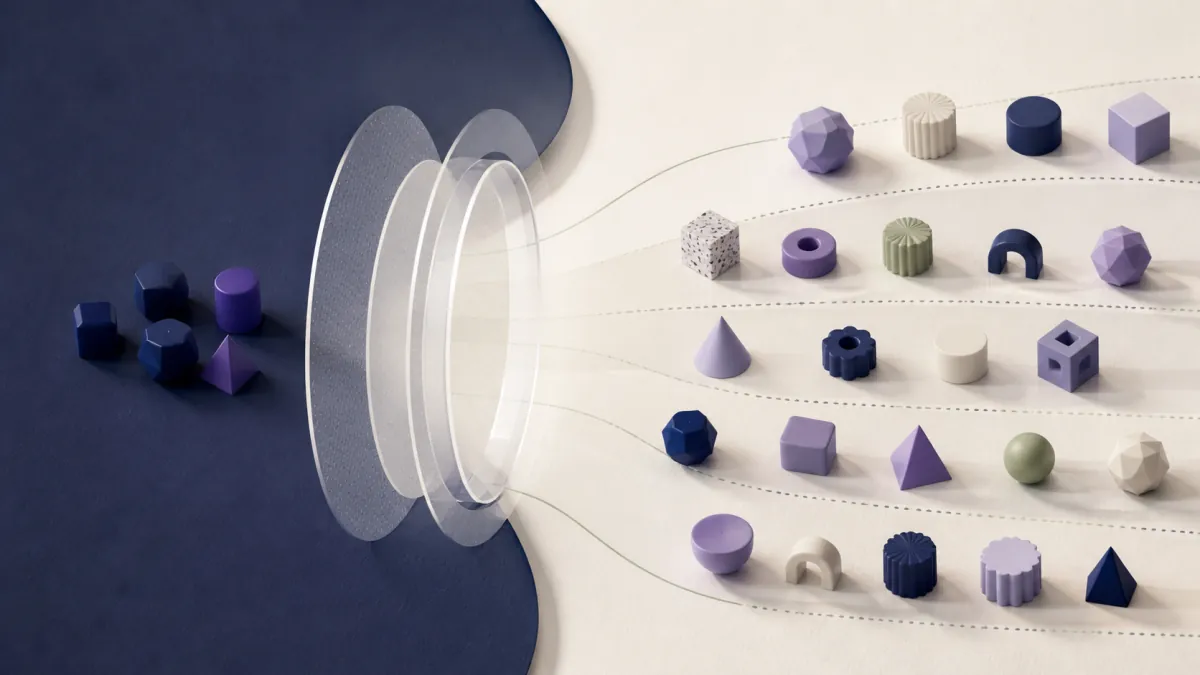
Most procurement teams source from less than 5% of available qualified suppliers. Zinit maps your category against a 103M+ supplier and company database and screens the matches against your minimums before your team approves invitations, and its supplier success team works with every invited supplier so the qualified ones bid.
Same requirement, three usual contractors only.
Vendor lists and old relationships decide who gets invited, a field far smaller than the market.
Why now
AI supplier discovery makes up for practitioners retiring faster than they are being replaced.
AI supplier discovery lets a team diversify every indirect category at once, since single sourcing is now a board-level risk.
The Hackett Group's 2026 Procurement Key Issues study projects procurement workloads rising 8% in 2026 even as head count and operating budgets decline. [2]
The usual search stops at finding.
Trade shows, referrals and web research yield a handful of names.
Someone still checks each name's coverage, licenses and capacity by hand.
An unfamiliar buyer's RFP waits until someone explains the opportunity.
The European Commission scores every member state on the share of its contracts that drew a single bidder and marks a country red when that share is above 20%. [1]
Example buyer: a fictional food distributor with 18 warehouses in Ohio, Indiana and Kentucky, whose event was never run.
It has invited the same three contractors for years.
The team sets the scope and minimums.
Zinit maps the requirement against its database by category and service area, surfacing 212 companies.
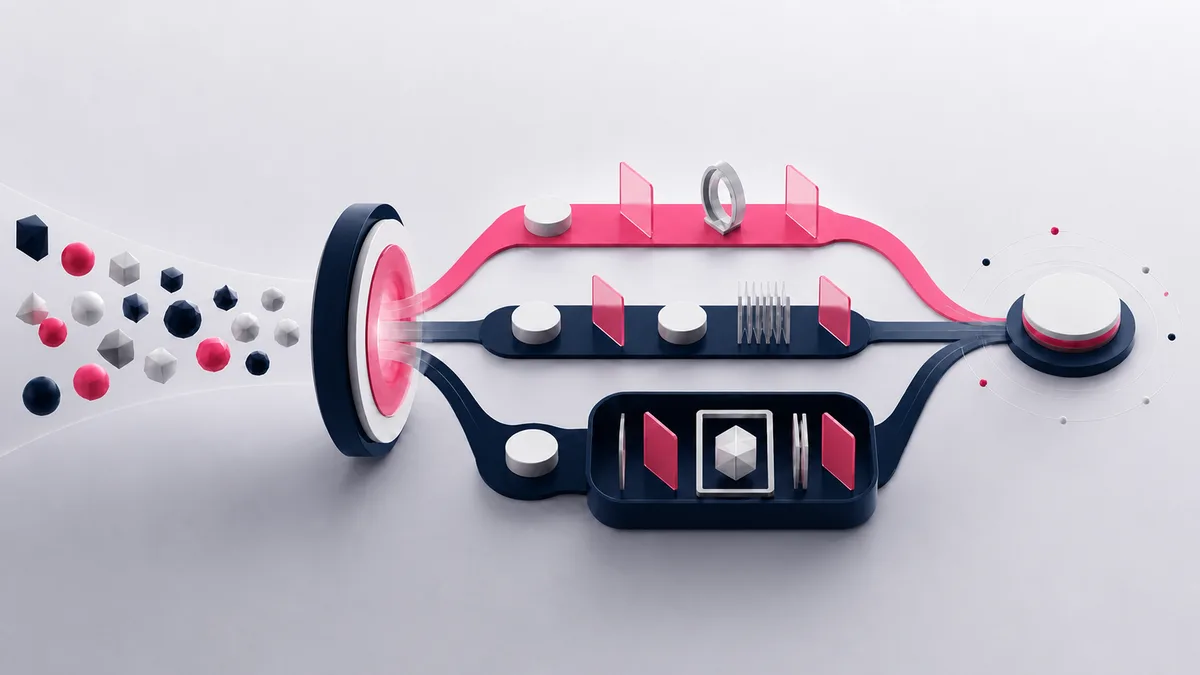
Zinit screens the 212 against the minimums before anyone is invited, and 24 meet all of them on record.
Why 188 dropped out
The team reviews the 24 and approves 11 new suppliers plus the 3 it knew, so 14 receive the RFP.
Halfway through, the supplier success team checks every invitee, reaches the quiet ones and answers questions.
At the halfway check-in, 14 invited
At the deadline, 14 invited
The team checks the two lowest bidders' references, then awards.
| Bidder | Supplier | Per site, per year | Year, 18 sites |
|---|---|---|---|
| Bidder AIncumbent | Incumbent | $4,620 | $83,160 |
| Bidder BKnown | Known | $4,780 | $86,040 |
| Bidder CLowest bidNew | New | $3,940 | $70,920 |
| Bidder DNew | New | $4,060 | $73,080 |
| Bidder ENew | New | $4,180 | $75,240 |
| Bidder FNew | New | $4,310 | $77,580 |
| Bidder GNew | New | $4,450 | $80,100 |
| Bidder HNew | New | $4,890 | $88,020 |
| Bidder INew | New | $5,020 | $90,360 |
| The incumbent's price today | $4,850 | $87,300 |
The team awarded Bidder C. A fictional example, so none of these figures is a Zinit result.
Bring a real category to the demoAn invitation counts once a comparable bid comes back, so Zinit puts people on this step.
It briefs suppliers new to you on the opportunity.
It supports each response so bids arrive complete and on time.
Zinit's AI agents and Supplier Success team reach out across multiple channels, follow up and help suppliers submit complete bids. They check supplier fit and support your pre-qualification process.
Your team reviews the responses and selects.
How Zinit describes it
Zinit's dedicated supplier success team actively contacts matched suppliers to explain the opportunity, support the RFP response process, and ensure participation. This active engagement — a human-plus-AI team driving response rates 2x above industry standard — is the structural differentiator that no legacy platform replicates. Keelvar, Coupa, Jaggaer, and Ivalua all provide access to supplier databases. None of them have a dedicated team actively engaging suppliers to participate in your sourcing events.
Your team sees the shortlist before anyone is contacted.
Zinit maps the spend category to an industry taxonomy.
AI applies your criteria across the full global supplier pool.
Matches are screened against your minimums before invitation.
The supplier success team contacts every invited supplier and follows it to a bid.
What the search covers
Every decision stays with your team.
Zinit's own figures, unlike the fictional example above.
Expand your competitive field from the typical 3-5 suppliers to 8-12 qualified alternatives through AI-powered supplier matching and active engagement.
Suppliers facing unknown alternatives price more aggressively.
Zinit finds qualified alternatives you didn't know existed.
Even winning incumbents price closer to the market.
A wider qualified pool lowers concentration risk.
RFPs published from



As shown on the homepage.
Supplier discovery is one step of the sourcing event.
Your vendor master holds the suppliers you already pay. Zinit searches beyond it by category, geography and qualification and screens what it finds against your minimums, so each new name arrives with the evidence your team needs to approve it.
Only the ones your team approves. Zinit proposes a screened shortlist with the evidence for each one, and your team decides before any supplier is contacted.
Yes, whenever your team invites them. They bid in the same structure as the new suppliers, so you see whether the incumbent's price holds up.
The search covers all indirect spend categories, and it works best where qualified suppliers exist that your team has not used yet.
Zinit is supplier-funded and free to buyers: only the supplier your team selects as the winner pays a commission, the losing bidders pay nothing, and nothing is owed until you award. The commission rates are published openly on our site, and because the fee is tied to the award your team makes rather than to who competes, Zinit earns the same whichever qualified supplier you choose.
We'll walk you through the search and invitations.
Third-party statements, as their sources state them.