Market intelligence · daily brief
Apple pays to secure scarce memory, the EU investigates PET resin imports, and supplier quality problems slow Aurora's truck build
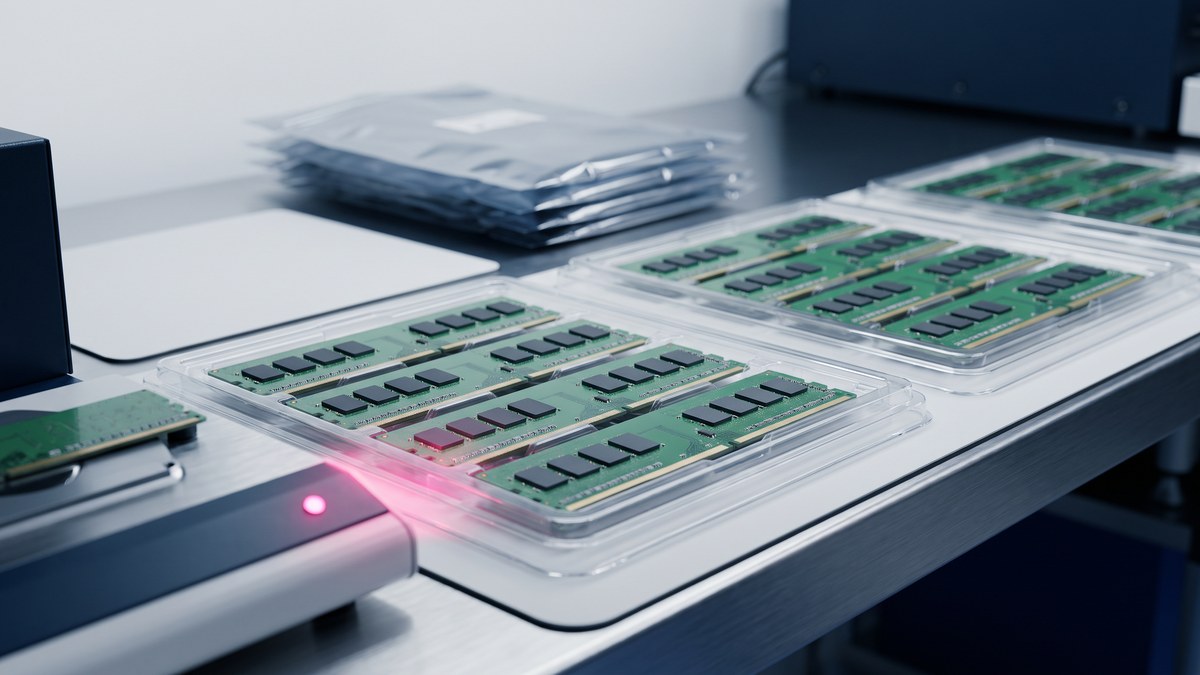
Apple is paying to lock in memory chips as their prices keep climbing, the European Union has opened an investigation that could lead to temporary limits on imported PET resin chemicals, and parts that fell short of quality checks have pushed back Aurora Innovation's truck production.
Apple commits $33 billion more to secure scarce memory
Tight supply and rising memory prices weighed on Apple's iPhone, iPad and Mac production in its fiscal fourth quarter, executives told investors on a Nov. 2 call, as reported by Supply Chain Dive. To secure more memory, the company raised its commitments to buy from manufacturing suppliers by $33 billion from the third quarter to the fourth, chief executive John Ternus said, describing current memory pricing as "unprecedented". Apple softened the cost with inventory carried over from the prior quarter, savings on other components and higher product prices.
The pressure shows in the margin. Finance chief Kevan Parekh said higher memory costs accounted for roughly one point of a drop in gross margin, which went from 50.1% in the third quarter to 47.9% in the fourth, and he guided to between 45% and 46% for the current quarter, mainly because of memory. Ternus expects memory purchase prices to keep rising beyond the December quarter, with the carried-over stock helping less over time. Spending on AI applications and the data centers behind them has pushed memory prices up as much as 400% over two years, Supply Chain Dive reports.
Apple did not say whether the larger commitments changed its supplier relationships. Phil Solis, a research director at IDC, told the publication that Apple is likely moving to longer agreements, after signing shorter contracts while supply was plentiful. "Every company buying memory has had to change how they buy memory if they want stable pricing and to guarantee supply," he said.
Why it matters: As the analyst describes it, Apple is giving up flexibility to secure supply. Buyers of electronics, or of equipment with memory inside, can ask their suppliers how much of that memory is already under contract, how memory price changes reach their quotes, and whether a longer commitment would steady the price.
The EU opens a safeguard investigation into PET resin imports
The European Union started a safeguard investigation into imports of certain polyethylene terephthalate (PET) resin chemicals, opening it on 6 November 2026 and telling the World Trade Organization's safeguards committee the same day, according to a WTO notice. Such an investigation tests whether rising imports are seriously injuring, or threatening to injure, an industry at home, and a WTO member may restrict imports of the product for a limited time only if that injury is found.
The timetable is short. The European Commission wants completed questionnaires within 21 days of the start, interested parties have 15 days to come forward, and views sent after those deadlines may be disregarded. Importers, exporters and anyone else with an interest can submit evidence, answer what others submit and, within the same 21 days, ask for a hearing.
Why it matters: The investigation restricts nothing yet, but it opens the possibility of temporary limits on PET resin entering the EU. Buyers who source PET resin or PET packaging for European operations can map how much of that supply is imported, ask suppliers how they would respond to a restriction, and, if they are affected, use the short window to put their views to the Commission.
Supplier quality problems set Aurora's truck build back six weeks
Aurora Innovation's ramp-up of truck production slipped six weeks behind plan because of material shortages and parts that failed its quality checks, executives said on the company's Oct. 28 earnings call, according to Supply Chain Dive. Early builds before its Sept. 23 investor day had looked good, chief executive Chris Urmson said, but the problems appeared once output scaled up on the company's second-generation hardware.
Part of the fix is new suppliers: wire harnessing will move to what finance chief David Maday called a "more capable production supplier". Maday said the issue was getting parts right for the new platform rather than their price, and that the changes were cost neutral or could even save money once less rework is needed. Aurora and its upfitter Roush aim to reach 20 trucks a week, on two shifts, by early December, then 200 trucks built by February and over 1,000 by the end of 2027.
Why it matters: Aurora's early builds passed, and the faults appeared at volume. When a supplier moves from prototype to production quantities, buyers can ask for evidence from runs at production rate rather than from samples alone, and agree in advance how quality failures will be contained and who pays for rework.
The thread
All three stories turn on what suppliers can deliver, and on what terms. Apple is giving up flexibility to secure memory, the EU is weighing limits on imported resin, and Aurora found that parts which worked in early builds failed at volume.