Market intelligence · daily brief
Mexican cattle routes reopen as Deere tariff costs rise and UPS adds capacity
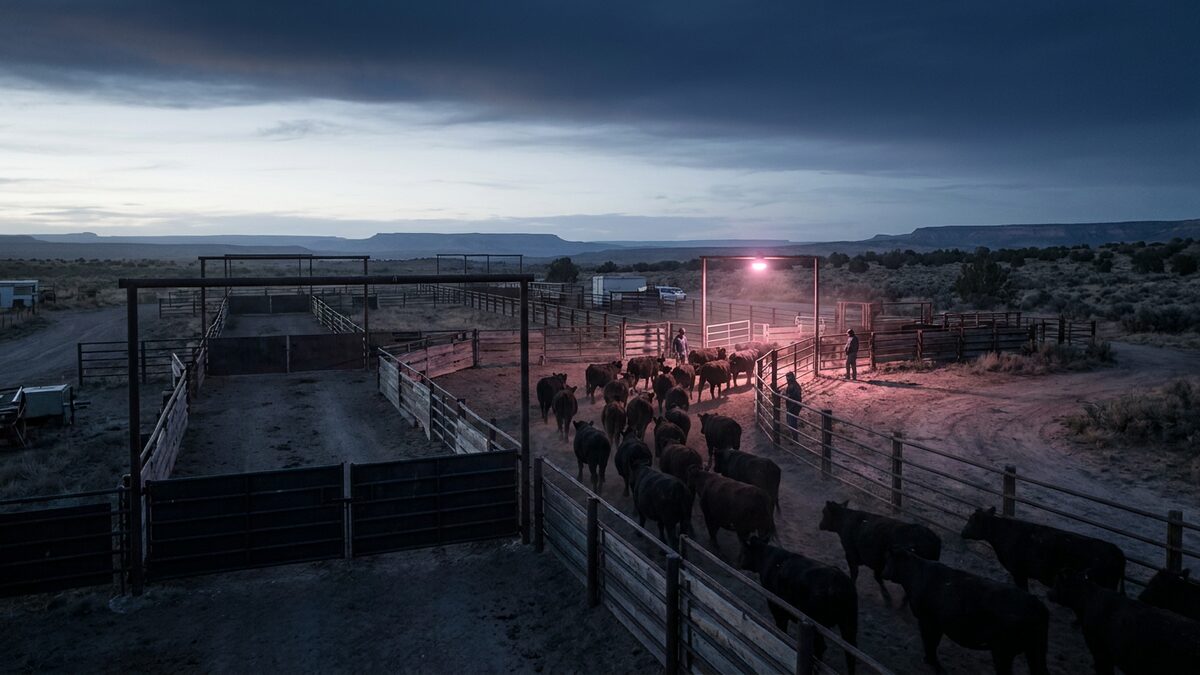
Procurement risk moved across three different horizons today: a livestock route began to reopen under inspection controls, an equipment maker put a higher tariff run rate into its planning, and a logistics provider committed capital to network options. The common task is to distinguish capacity that exists now from capacity that is still conditional.
Mexican cattle route reopens under phased inspections
SupplyChainBrain, summarising Associated Press reporting, says bovine shipments from Sonora may again enter through Douglas, Arizona. Federal authorities had suspended Mexican livestock entries for more than a year because of New World screwworm. Further border points linking Chihuahua with two United States states are intended to return later in stages, but authorities tied the timetable to local control of the parasite.
Mexico counted 1,969 active cases on August 22; that total was under half its year-earlier peak. Federal officials rated Sonora and Chihuahua lower risk based on established inspections and their distance from southern hotspots. During July, average United States uncooked beef prices had climbed 10% from a year earlier. The report cautioned that staged border openings could take months to normalise and are not expected to materially shift near-term prices.
Why it matters: Food buyers should treat the reopening as conditional supply, not restored baseline capacity. Inspection status and the sequence of crossing resumptions belong in availability scenarios.
Deere prepares for another rise in tariff costs
Supply Chain Dive reports that Deere booked $110 million of duty reimbursements during its fiscal third quarter, lifting the cumulative refund to $382 million. After refunds, its current-year duty forecast stands near $750 million; management put the comparable run rate for the following year at about $1 billion.
The manufacturer described its domestic footprint as about 80% of finished products and supplier inputs as roughly 75% United States-sourced. Executives also said vendors bring their own tariff burden into price talks.
Why it matters: Domestic assembly does not eliminate duty exposure. Buyers need to trace the import content inside supplier prices and keep refunds separate from the recurring cost base.
UPS commits capital to global logistics capacity
SupplyChainBrain reports that UPS has allocated above $2 billion to strengthen cross-border, healthcare and contract-logistics operations. The work started in 2024 and is scheduled to run through 2028. Projects include airport nodes at Clark and Hong Kong, plus ground facilities in Ontario, Taiwan and the Netherlands.
UPS framed the spending as a response to customers distributing operations among additional markets and asking for more routing options after disruptions.
Why it matters: Logistics capacity announcements become useful only when category teams map new nodes and services to their own lanes, service levels and concentration risks.
The thread
All three stories separate an announced opening or investment from usable capacity. Procurement teams should connect policy conditions, supplier cost pass-through and network commissioning dates to the assumptions in sourcing and contingency plans.
Watching
Watch the sequence of livestock crossings, Deere's supplier negotiations and the commissioning of UPS facilities. Continue with the previous Global Procurement Brief.