Market intelligence · daily brief
UK gas capacity, Philippine pork imports and US component sourcing
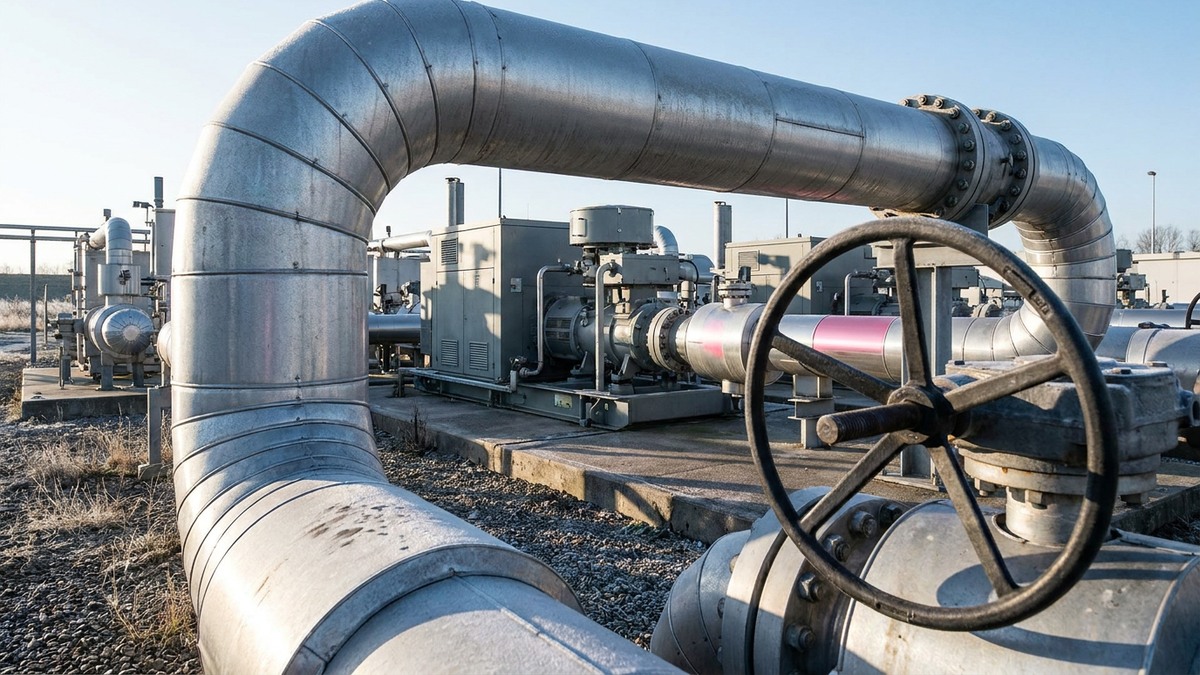
A winter energy contingency, a pork trade inquiry and a new component-sourcing arrangement pose different questions for procurement teams. The useful distinction in each case is between an announced step and an outcome a buyer can rely on.
UK regulator proposes winter gas import-capacity support
Politico Europe reports that Britain's energy regulator plans to let the gas network operator fund continued import capacity from Belgium this winter. Ofgem describes a low-probability stress case: an unusually cold day combined with the loss of major gas infrastructure could leave a negative supply margin. That is a resilience test, not a prediction of routine shortages; National Gas says the warning should not be read as an expectation of gas cuts.
Interconnector says the arrangement could put British winter import capacity at 27.8GW, an increase of 11.3GW over its earlier plan. The regulator's licence change is still proposed, so buyers should separate planned capacity from capacity already secured.
Why it matters: Energy-intensive buyers can ask suppliers which winter contingency assumptions sit behind their delivery commitments. Suppliers can state where an energy interruption would affect output and which backup arrangements have actually been tested.
Philippines opens pork import safeguard inquiry
The World Trade Organization says the Philippines notified it on 21 October of a pork import safeguard investigation begun on 9 October. Interested parties have a stated window to submit evidence and views, with questionnaire responses subject to the investigation's procedure.
A safeguard inquiry examines whether increased imports cause or threaten serious injury to domestic producers. The WTO explains that a temporary import restriction would require such a finding; the inquiry itself does not establish one.
Why it matters: Food buyers can map which contracts rely on Philippine pork import access and identify the documents needed if trade terms change. Exporters and importers can preserve shipment, price and origin evidence while the investigation remains open.
Apple adds US titanium and camera-material suppliers
Supply Chain Dive reports that Apple added Perryman as a titanium supplier and expanded a camera-material agreement with Qnity Electronics. Apple says it could commit up to $100 million over three years to Perryman, whose titanium process uses at least 80% recycled content for the named phone model. Qnity is slated to make films for a variable-aperture camera system.
These are company-announced arrangements, not evidence that another buyer can source interchangeable material at the same price or specification.
Why it matters: Buyers considering alternative component sources can ask for capacity, material traceability and qualification evidence at the specific part level. Suppliers can describe the commitments they have made without implying that an announced program proves delivered volume.
The thread
A stress scenario, a pending trade investigation and a supplier announcement each warrant a different proof request. Treating them as finished outcomes would distort sourcing decisions.