Market intelligence · daily brief
Omya mineral supply probe, bottle recycling claims and Panama Canal traffic
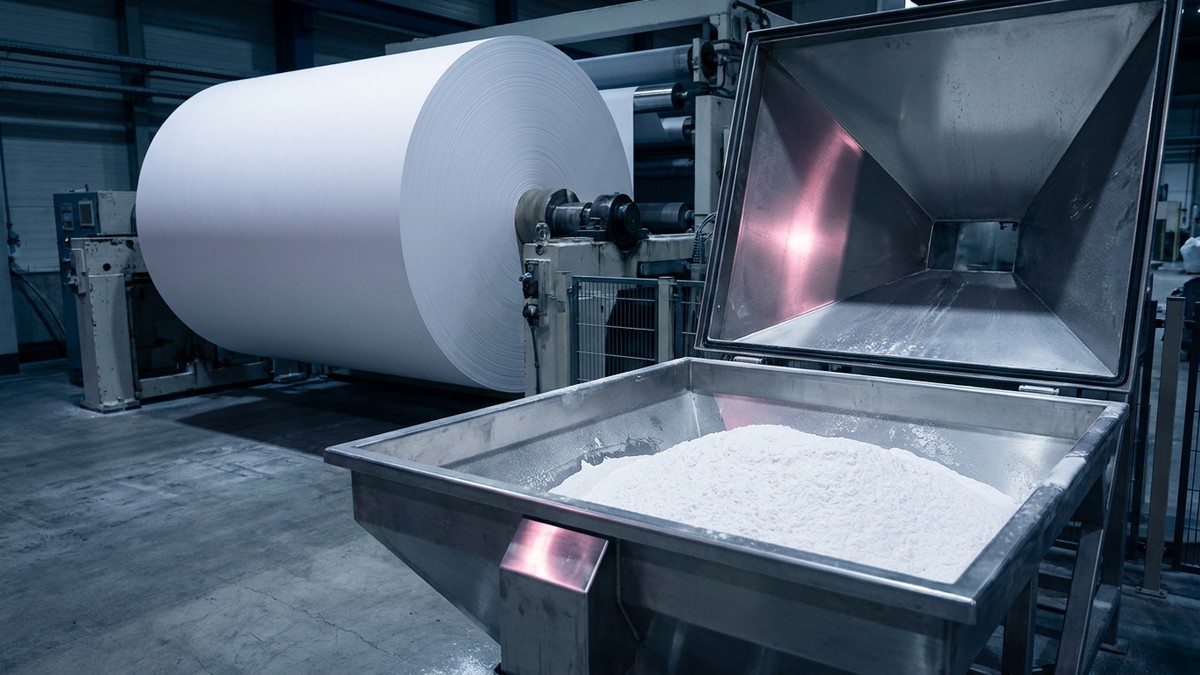
A competition inquiry into a paper-industry mineral supplier, revised recycling labels on bottled drinks and a busier Panama Canal each change what a buyer should verify. In every case, the useful line runs between an official step and an outcome that has been proven.
EU opens antitrust probe into Omya's calcium carbonate supply terms
The European Commission Press Corner says the Commission has opened a formal investigation into whether Omya broke EU competition rules by tying paper-industry customers to it for most or all of their calcium carbonate purchases. The Commission describes the Swiss company as the largest supplier of the mineral in the European Economic Area and says it may hold a dominant position. Paper mills use calcium carbonates as fillers and coating pigments that can lower production costs and improve brightness and printability.
The inquiry covers two practices: purchasing obligations that tie customers to Omya for the bulk or all of their volume, and rebates that reward them for concentrating it there. The Commission is concerned that rival suppliers may have been unable to compete for European paper customers. It stresses that opening the case does not prejudge the outcome, and no legal deadline applies to concluding it. The case number is AT.40893.
Why it matters: Paper and packaging buyers can check whether their mineral or board supply terms carry exclusive-volume or loyalty-rebate conditions, and what switching would cost. Suppliers can explain how pricing would change without exclusivity. An open investigation is not a finding of abuse.
Coca-Cola, Nestlé and Danone agree to change bottle recycling claims
The European Commission Press Corner says Coca-Cola, Nestlé and Danone committed to revise the recycling claims on their plastic bottles after a dialogue with the Commission and the Consumer Protection Cooperation network of national authorities. Sweden's consumer agency and Hungary's competition authority led the action.
Under the commitments, a label that described a bottle as made from 100% recycled plastic will instead read “This bottle is 100% recycled. Excluding cap and label”. Wording that invited shoppers to recycle the bottle again will become a plain request to recycle it, so the label no longer implies the bottle was already recycled before sale. The companies also agreed to align website and social media campaigns with the commitments. National authorities will monitor implementation and may take enforcement action if a company does not comply.
Why it matters: Buyers of packaged goods and packaging can ask suppliers whether a recycled-content figure covers the whole pack or only the bottle body. Suppliers can state which components a claim excludes and what evidence supports it.
Panama Canal reports more transits and tonnage for its fiscal year
SupplyChainBrain reports that the Panama Canal recorded 4.1% more transits in its fiscal year ended September 30, 2026. Citing an October 21 canal release, the outlet says transits reached 13,951, up from 13,404 a year earlier, led by energy and container vessels. Tonnage rose 6.5%, and ships using the larger Neopanamax locks made up 52% of it.
Revenue rose 16.6% as demand pushed prices for auctioned priority slots to records, according to the report. The canal authority had reduced transits and capped vessel drafts as it prepared for drier weather, then lifted those restrictions in late September after rainfall returned.
Why it matters: Shippers using the canal can ask carriers whether current routings and rates assume the lifted draft limits will stay in place. A higher annual transit count does not guarantee slot availability or a price on any specific lane.
The thread
A competition case, a labelling commitment and an annual traffic count are three different kinds of evidence. Each tells a buyer what to ask a supplier next, not what outcome to assume.