Market intelligence · daily brief
US duties hit Chinese van trailers, the US Navy warns ships away from Hormuz, and Amazon Business says AI buying agents should start small
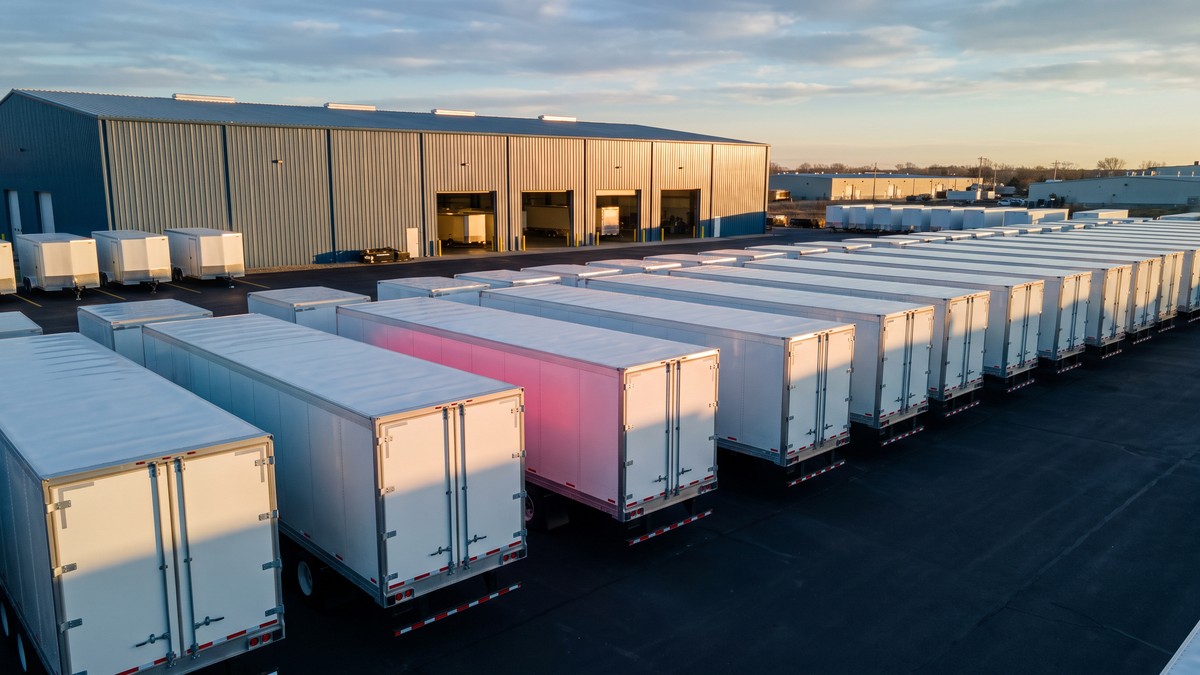
Washington put steep new duties on cargo trailers made in China, the US Navy asked ships to keep out of the Strait of Hormuz unless they have to pass, and Amazon Business told buyers to let AI purchasing agents begin with small orders under firm limits.
US puts duties of about 260% on van trailers from China
The US Commerce Department is charging duties of about 260% on certain trailers imported from China, SupplyChainBrain reports, citing Bloomberg. The anti-dumping and countervailing duties took effect on Oct. 28 and are set to stay for at least five years.
The orders, published in the Federal Register, cover enclosed van-type trailers and their subassemblies, finished or not, with a gross vehicle weight rating above 26,000 pounds. Importers must post a cash deposit of 129.73% under the anti-dumping order, and the subsidy rate for every Chinese producer is 134.75%. The International Trade Commission told Commerce on Oct. 15 that these imports materially injure US manufacturers.
The American Trailer Manufacturers Coalition, which brought the case, estimates that China, Mexico and Canada produced 40% of the van-type trailers in the US. A separate investigation of Mexican and Canadian trailers is expected to finish in early 2027. Stoughton Trailers' chief executive, Bob Wahlin, said the company plans to hire 500 to 700 more US workers over the next six months.
Why it matters: Fleets and logistics providers that buy or lease enclosed van trailers may see fewer low-priced import offers and more demand for domestic plants. Before ordering next year's equipment, buyers can ask suppliers where each trailer and its main subassemblies are made, and how the pending Mexico and Canada ruling would change the quote.
US Navy tells ships to stay clear of Hormuz unless they must pass
US Naval Forces Central Command issued an advisory on Oct. 28 telling vessels with no reason to travel through the Strait of Hormuz and the Gulf of Oman to stay away, SupplyChainBrain reports, citing Bloomberg. "Vessels transiting this area are advised to plan additional transit time to allow for increased traffic density and military blockade enforcement operations," the notice said.
Neutral ships sailing between neutral ports may be questioned, boarded and searched so that the Navy can confirm their intentions toward the blockade, the advisory adds. The outlet says it is not clear what triggered the notice; the last similar one came in mid-July, when the US began blockading Iranian shipping. Oil shipments out of the Persian Gulf have climbed back to near prewar levels, while Iranian attacks on ships rose to almost 30 in October, a high for the war.
Why it matters: Longer transits and inspections can delay cargoes and raise freight and insurance costs for fuel, chemicals and other inputs shipped from the Gulf. Buyers can check which of their orders pass through the strait, how much stock covers a late arrival, and who pays delay or war-risk surcharges under their current freight terms.
Amazon Business says AI buying agents should start with small purchases
An Amazon Web Services executive told Amazon Business's Reshape conference that some companies could be making payments through AI agents at scale within a year, CSCMP's Supply Chain Quarterly reports. Matt Yanchyshyn, who leads marketplace and partner services at AWS, put it plainly: "I do think we will be talking about agentic payments at scale this time next year."
Céline Vuillequez, Amazon Business's vice president for Europe, advised companies to begin with tail spend rather than large strategic categories. Her advice: "Set categories and spending limits so you can step back easily if you need to." Her list of controls: spending limits, company rules written into the systems, human approval for anything above those limits, and a complete record of each action the agent takes. Yanchyshyn added contract and subscription renewals as another category that agents could handle.
Why it matters: An agent that places orders moves purchasing decisions into rules written in advance. A team planning a pilot can choose one low-risk tail-spend category, set the spending cap and the approval threshold, and confirm that every agent action is logged before the first order goes out.
The thread
Each item turns on a rule that fixes cost or speed before a buyer acts: a duty order, a naval advisory, or the limits written into a purchasing system. Knowing which rule applies, and when it can change, is part of pricing the risk.