Market intelligence · daily brief
BMW signs regional battery deals, South Africa opens float glass inquiry, India urges government-owned firms to buy from SC/ST suppliers
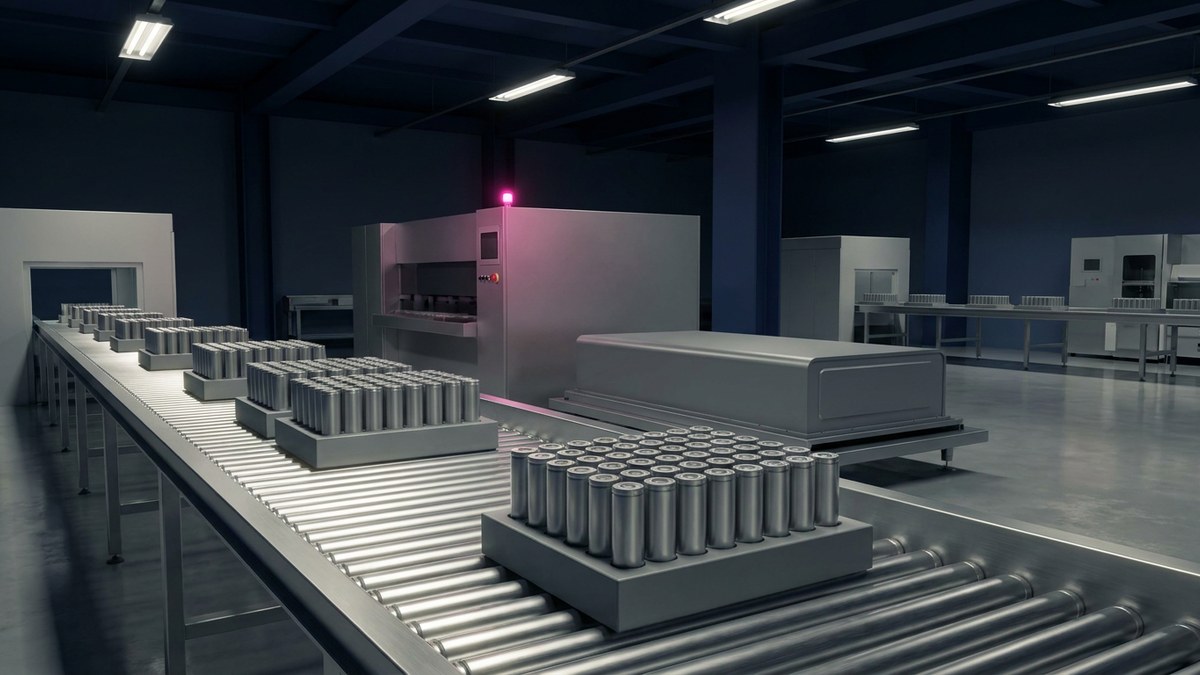
BMW has named LG Energy Solution and Samsung SDI to supply battery cells for its vehicles in North America and Europe, South Africa has opened an investigation that could lead to temporary limits on float glass imports, and India's small-business ministry has urged government-owned companies to buy more from Scheduled Caste and Scheduled Tribe small enterprises.
BMW adds LG Energy Solution and Samsung SDI as regional battery cell suppliers
BMW Group has announced supply agreements with LG Energy Solution and Samsung SDI for cells used in the sixth generation of its high-voltage batteries, Supply Chain Dive reports, citing a company press release. Under the agreements, LG Energy Solution will provide cells for BMW's electric vehicles in North America, while Samsung SDI will provide cells for vehicles BMW builds in Europe, starting later this decade. In Europe, BMW had already signed supply agreements with two Chinese battery makers, CATL and EVE Energy.
BMW wants cells made close to the five high-voltage battery plants it has built near its vehicle factories, in Bavaria, Hungary, China, South Carolina and Mexico. Hendrik Lang, who leads purchasing and quality for BMW's high-voltage batteries, said the partner network gives the company a "resilient, flexible and competitive battery cell supply". Supply Chain Dive reports that shorter distances between suppliers, battery plants and assembly plants make BMW more competitive. Nicolai Martin, the board member responsible for purchasing and the supplier network, said: "Diversifying procurement is an integral part of the BMW Group’s purchasing strategy."
The company said a local battery supply chain needs significant investment and depends on global technology companies being willing to set up operations near its factories, as well as on favorable regulation.
Why it matters: BMW is spreading cell supply across several makers and aims to place production near its plants, and says this needs heavy investment and willing partners. Buyers can check which of their own critical parts come from a single supplier or a single region, and ask those suppliers whether they plan to produce closer to where the parts are used.
South Africa opens a safeguard investigation into float glass imports
South Africa started a safeguard investigation on Nov. 3 covering some non-wired float glass products brought into the country, and told the WTO's safeguards committee about it on Nov. 11, according to a World Trade Organization news item. South Africa's notification gives interested parties 20 days from the start of the investigation to identify themselves and submit comments.
Such an investigation tests whether a rise in imports is causing serious injury to a domestic industry, or threatens to cause it, the WTO explains. During the investigation, importers, exporters and other parties with an interest can put forward evidence and views and respond to what others submit. A WTO member may impose temporary import restrictions only if the investigation finds that the higher imports cause or threaten serious injury.
Why it matters: The comment period is short and counts from the start of the investigation, not from South Africa's Nov. 11 notification to the WTO. Buyers who import this glass into South Africa, or whose suppliers there depend on imported glass, can check their risk now, decide with their suppliers whether to take part, and plan for the possibility of temporary import limits if the investigation finds injury.
India urges government-owned companies to buy more from Scheduled Caste and Scheduled Tribe small enterprises
India's ministry for micro, small and medium enterprises (MSME) held a review on Nov. 5 with central public sector enterprises on their compliance with a mandated target that reserves four percent of their procurement for Scheduled Caste and Scheduled Tribe (SC/ST) small and micro enterprises, The Economic Times reports, publishing a report from the news agency ANI. Thirty public sector enterprises attended, among them Bharat Heavy Electricals, NTPC, Coal India and the Airports Authority of India.
Joint Secretary Mercy Epao, who chaired the review, outlined the help these enterprises receive through the National SC-ST Hub scheme. She said public procurement from them in the 2025-26 financial year was more than 36 times its level when the scheme began. She urged the companies to draw up internal action plans to reach the target and to help these suppliers with vendor registration, matching their products and services to buyer needs, and hands-on support. Ajit Chavan, Additional Chief Executive Officer of the Government e-Marketplace (GeM), described marketplace filters that identify these sellers and encouraged the companies to use the designated contact officer GeM has appointed to support them.
The participating agencies agreed to hold vendor development campaigns and supplier training and to widen digital onboarding, to raise purchases from these enterprises and from women-owned micro and small enterprises.
Why it matters: The review shows a government checking its enterprises' purchases against a fixed target for a defined group of small suppliers, and pairing that target with practical help to find and register eligible sellers. Buyers with their own supplier-diversity goals can check whether they measure spend against a stated target, and whether their sourcing tools let teams find and qualify smaller suppliers.
The thread
Each story is about who supplies: a carmaker spreading battery cells across makers and regions, a government considering limits on imported glass, and government-owned companies asked to buy more from SC/ST small enterprises.