Market intelligence · daily brief
Diesel reserve releases, Toyota in Canada, Lego feedstock shift
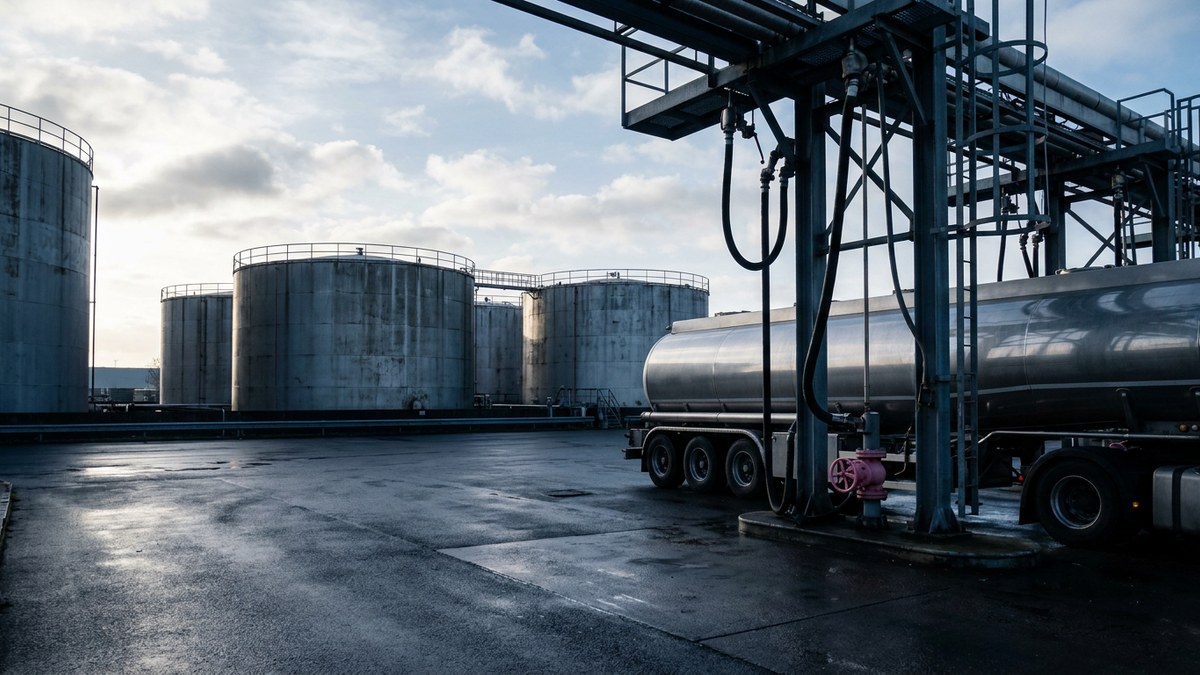
Fuel availability, manufacturing location and material qualification open the week with different questions for procurement teams. A reserve release needs a delivery schedule, a production commitment needs an order-level capacity check, and an alternative feedstock needs evidence that the manufacturing process can use it. The latest reporting gives buyers reasons to revisit those assumptions while keeping each decision tied to its own evidence.
IEA members accelerate diesel releases
Supply Chain Management Review, summarising Reuters reporting, says IEA members agreed to speed up outstanding March reserve commitments, including a diesel volume above 20 million barrels. Its briefing describes continuing pressure on transport fuel as energy flows remain disrupted.
The report concerns a coordinated release decision. It does not provide a delivery commitment for an individual carrier, fuel distributor or industrial site. Procurement teams still need to establish where the fuel will be available and how their supplier will price and deliver the required product.
Why it matters: Ask fuel and freight suppliers to distinguish their current commitments from expected market relief. Keep the contract’s surcharge mechanism and the supplier’s delivery assumptions together when reviewing an adjustment.
Toyota retains Canadian production commitment
Bloomberg, carried by SupplyChainBrain, reports that an updated hybrid Lexus NX is scheduled to enter Ontario production in December. Toyota is maintaining its Canadian manufacturing commitment while some competitors reduce their footprint. The report says the company’s factories are operating at or near capacity.
That supports a view of continued manufacturing activity at the reported locations. It does not establish spare production capacity for an outside customer, a component supplier’s allocation, or the commercial terms of a particular cross-border order.
Why it matters: Buyers and suppliers serving automotive plants should check the model, producing site and scheduled requirement behind each forecast. A corporate location decision helps frame the conversation, while a specific order still needs its own quantity, timing and acceptance conditions.
Lego introduces e-methanol into components
Supply Chain Dive reports that Lego is using e-methanol in the manufacture of more than 90 components, including connectors and steering wheels, to reduce dependence on conventional fossil inputs. The report attributes the change to the company and describes testing and work with suppliers to incorporate the alternative into existing production.
The development is evidence of a specific manufacturer’s adoption process. It does not demonstrate that the same material is qualified for every polymer application, or establish a universal environmental improvement for finished products.
Why it matters: For a proposed feedstock change, request the application scope, process compatibility evidence and the basis for any environmental claim. Suppliers can make the review more useful by stating which products and manufacturing conditions their evidence covers.