Market intelligence · daily brief
Black Sea cargo risks, Panama diversions, packaging cost pressure
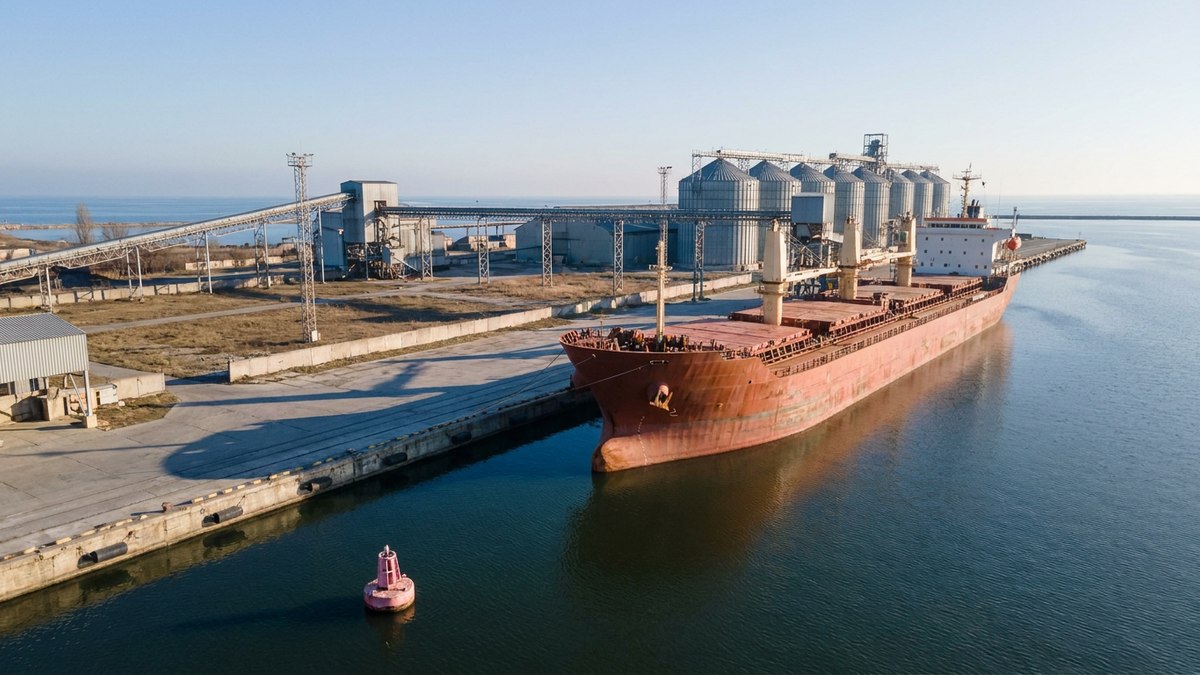
Shipping exposure and packaging availability deserve fresh checks today. Cargo attacks, longer routes and supplier input-cost pressure raise different questions for buyers, so each needs its own evidence.
Black Sea cargo attacks widen shipping uncertainty
SupplyChainBrain carries Bloomberg reporting on attacks affecting commercial cargo traffic around the western Black Sea. The account describes incidents off Bulgaria and near Odessa, while attribution remains unresolved for the Bulgarian incident.
Bulgaria's prime minister later said the origin of the drones had not been established. A Kpler agriculture analyst also distinguished vessels using Ukrainian ports from traffic serving the major ports in Bulgaria and Romania, where she said a direct threat had not been demonstrated.
Why it matters: Buyers should ask logistics partners which actual voyages, insurance terms and alternative ports are affected before extending the warning to every Black Sea shipment.
Panama constraints send vessels toward Magellan
The Economic Times publishes Bloomberg's account of increased vessel movements through the Strait of Magellan as Panama's low water levels constrain canal crossings. Chilean Navy pilotage figures show an increase exceeding 70% in both August and September against the corresponding months a year earlier.
The Navy’s reported vessel band spans 60,000 to 65,000 gross-register tons; the categories of ships were not specified. The underlying pilotage series runs from January 2025 through September 24, 2026. Those limits prevent the figure from becoming a measure of all global shipping.
Why it matters: A buyer reviewing ocean freight should request the proposed sailing route, transit window and cost assumptions from the carrier. Regional diversion statistics cannot establish the timing of a particular delivery.
Indian box makers pause paper buying as costs rise
The Economic Times reports that Uttar Pradesh's corrugated-box association says kraft-paper prices rose over 30% across the August–September period. Manufacturers told the outlet they had raised box prices by approximately 10%, leaving pressure on their margins. These are attributed industry statements, rather than independently established buyer prices.
Association members agreed to suspend new paper purchases for 10 days while using stock already held. The report also describes a wider industry meeting planned for October 9 to discuss further responses. A buying pause should not be read as a confirmed shutdown at every supplier.
Why it matters: Packaging buyers exposed to these suppliers should check finished-box commitments, paper coverage and requested price changes directly, with any continuity concern tied to the supplier's own records.
The thread
A market report can identify a useful question without answering the buyer's operational decision. Keep the route, shipment or supplier record beside the source, and assign someone to verify the missing commitment before changing a sourcing plan.