Market intelligence · daily brief
US screens foreign grid equipment, Los Angeles locks terminal investment, NASA tests lunar wheels
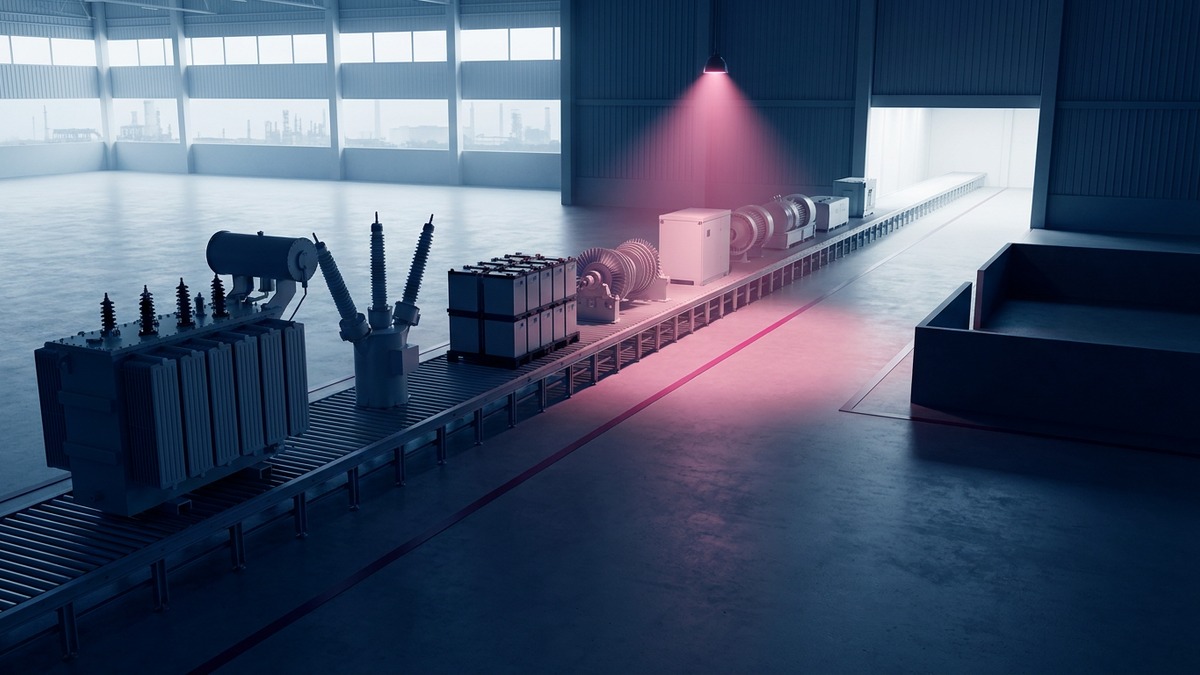
Infrastructure security and open innovation moved to the front of sourcing decisions today. The operating cue is to define constraints before selecting equipment, partners or designs.
US order screens foreign grid equipment
SupplyChainBrain reports that the US declared a national emergency to ban foreign equipment in the power grid. Future purchases and installations of overseas-made grid systems are prohibited under the order. Software and hardware such as turbines, generators, batteries, substations and transformers may fall in scope.
Officials may direct utilities to take existing foreign-made equipment offline or substitute it when a security risk is found; they must first balance system reliability, safety and the supply of secure replacements.
Why it matters: Infrastructure buyers should map component origins, approved alternatives and replacement lead times before a security review turns into an urgent sourcing event.
Los Angeles locks in terminal investment
SupplyChainBrain reports that Yusen Terminals secured a three-decade extension at the Port of Los Angeles, taking its tenancy to at least 2056. A $200 million equipment commitment accompanies the extension.
Hydrogen fuel-cell equipment sits alongside electric yard tractors, forklifts and top handlers already in use. Ocean Network Express owns Yusen, which has run the 232-acre East Basin site since 1991.
Why it matters: Port and logistics buyers should test contract tenure, equipment-transition commitments and capital plans against their long-range capacity assumptions.
NASA tests crowdsourced lunar-wheel designs
SupplyChainBrain reports that NASA narrowed a public design campaign for wheels for its next lunar rover. The challenge opened on September 25, 2025, drew 128 submissions from 49 countries, and advanced five teams to a July 31 final phase.
NASA asked for lightweight, durable wheels able to absorb impacts, maintain traction and withstand the lunar environment. The next phase will test the designs against lunar-like dust, vacuum, extreme temperatures, distance, size and load.
Why it matters: Procurement teams can widen supplier discovery without weakening control when they define the performance envelope before inviting solutions.
The thread
All three stories move qualification ahead of commitment. Component origin, long-term capacity investment and technical performance become sourcing inputs before award, not explanations after delivery risk appears.
Watching
Watch how US agencies apply the equipment test, how Yusen sequences its terminal investment and how NASA's finalists perform. Continue with the previous Global Procurement Brief.