Market intelligence · daily brief
Los Angeles cargo record, seasonal lettuce sourcing, Black Sea shipping risks
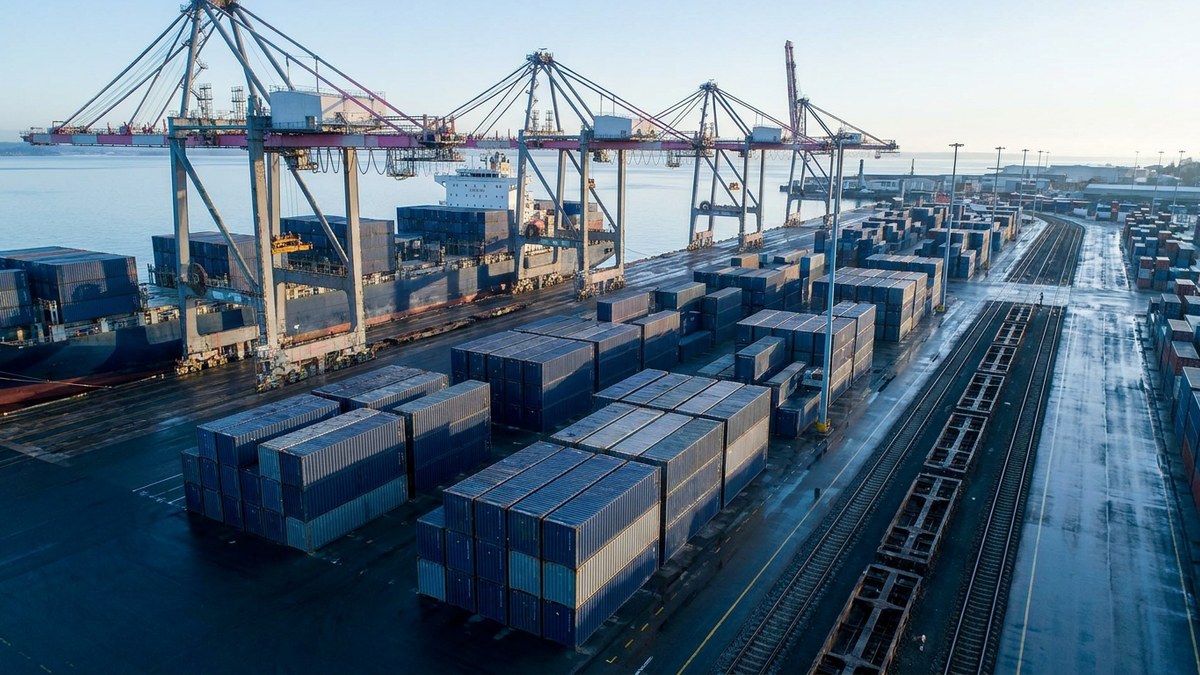
Procurement teams face a busy import gateway, a changed food-sourcing calendar and renewed uncertainty around Black Sea cargo routes. Each report calls for a specific check on supply commitments rather than an assumption about availability.
Los Angeles reports record cargo throughput
SupplyChainBrain reports that the Port of Los Angeles set a monthly record in September: throughput exceeded 1.04 million TEUs, the container-volume measure. Its July-to-September total approached 4 million TEUs, also a quarterly record.
The port's executive director attributed the traffic to consumer demand, inventory replenishment and rerouting associated with Panama Canal drought conditions. His expectation of more frontloaded shipments remains an outlook, rather than a confirmed booking schedule.
Why it matters: Import buyers can ask their logistics providers to reconfirm inland connections, delivery windows and contingency routing. A port throughput record does not establish available capacity or a rate for a buyer's own lane.
Taylor Farms changes seasonal lettuce sourcing
Supply Chain Dive reports that Taylor Farms will indefinitely stop harvesting and processing iceberg lettuce from central Mexico for U.S. and Canadian sale during the seasonal window running from May 1 through August 31. The company describes the change alongside expanded monitoring and testing following the summer cyclosporiasis outbreak.
The report preserves a material investigation limit: FDA closed its probe without sufficient evidence to determine how contamination occurred. An initially reported positive lettuce sample was later found inaccurate after retesting, while the investigation retained epidemiological and traceback support for a link to the recalled product.
Why it matters: Food-category owners can ask for an origin-by-season supply plan, alternate-source qualification and traceability records before accepting replacement supply. The reported policy concerns a defined product, geography and season; it should not be generalized to every Mexican supplier.
Cargo-ship attacks raise Black Sea route questions
SupplyChainBrain's Bloomberg report describes attacks on cargo vessels off Bulgaria and the government's decision to summon Russia's ambassador. The Bulgarian statement attributes benefit from the attacks to Russia; that allegation does not independently establish who carried them out.
The same report relays Bulgarian concerns about insurance expense and reluctance to carry cargo to its ports. It describes mostly steady wheat prices despite the attacks, so the incidents alone do not support a new commodity-price forecast.
Why it matters: Buyers with affected lanes can request a current carrier acceptance decision, insurance terms and alternative delivery options. Suppliers should identify which route assumptions underpin their delivery promises and flag conditions that could change them.
The thread
Keep the public signal beside the private record that can answer it: a lane commitment for the port story, an origin-and-season plan for lettuce, and a carrier and insurance review for Black Sea exposure. Assign an owner to any unresolved evidence before changing a sourcing commitment.
Watching
Further port booking updates, the implementation of Taylor Farms' monitoring plans and verified statements about Black Sea shipping security will determine whether these evidence requests need to change.