Market intelligence · daily brief
Mexico’s server inputs, Airbus inspections and tight bulk shipping reshape supply plans
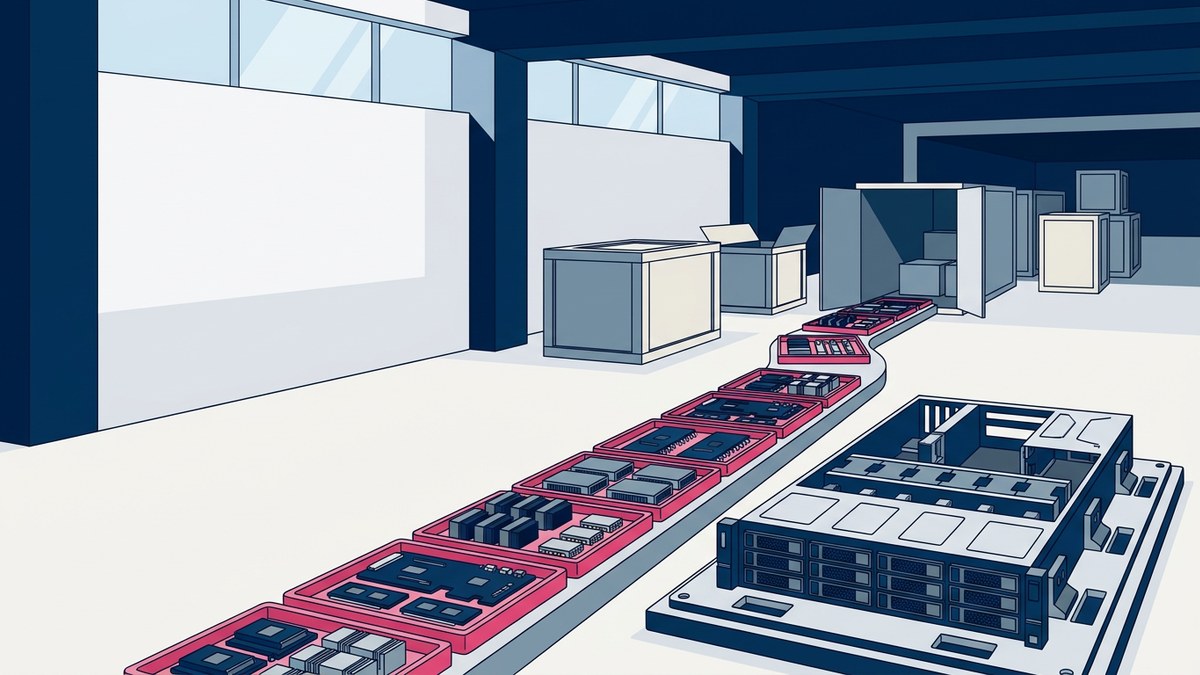
Larger exports can conceal a thin domestic supply base, while a contained factory defect and fewer available ships can still change delivery timing. Today’s brief follows where procurement teams need deeper supply-chain visibility, stronger inspection questions and freight scenarios.
Mexico’s server boom depends on imported electronics
According to Mexico News Daily, imported parts account for upwards of 95% of the inputs going into Mexican computer and electronics production, with Taiwan among the main Asian origins. The outlet says locally sourced content remains below 5% even when the finished goods carry a Made in Mexico label.
The sourcing map matters because an assembly location does not reveal where component capacity sits.
Why it matters: Buyers should map electronic components beyond the final assembly country, so geopolitical, lead-time and supplier-concentration reviews match the real input chain.
Tail checks slow Airbus widebody handovers
SupplyChainBrain, carrying Bloomberg reporting, says Airbus found quality problems in a horizontal tail component and had to inspect aircraft during production, bringing widebody deliveries close to a halt across recent months. Airbus described the fault as isolated, said the cause had been identified and reported that deliveries had resumed.
The disruption reached monthly handovers while inspections moved through production.
Why it matters: Procurement teams should ask critical suppliers how quality escapes change inspection queues and promised dates, because containment does not remove the schedule impact.
Capesize scarcity lifts raw-material freight pressure
SupplyChainBrain reports, again citing Bloomberg, that a broad dry-bulk rate measure reached a two-year high as Pacific weather reduced Capesize availability while exporters sought more capacity. Demand was firm in both the Pacific and Atlantic markets.
Their cargo mix includes grain alongside bulk coal and iron ore, and Australian shipments were rising as maintenance wound down while ore flows from Guinea increased. Exporters were then competing for longer-haul tonnage.
Why it matters: Buyers with bulk-material exposure should refresh rate, capacity and timing assumptions together, because a quoted ocean price may not hold when effective vessel supply tightens.
The thread
Mexico’s electronics story exposes dependence below the country of final assembly, while the Airbus and shipping stories show how production and logistics constraints can delay the same plan. Procurement teams get a more useful risk view when they connect component origin, in-process quality controls and transport availability to each promised date.